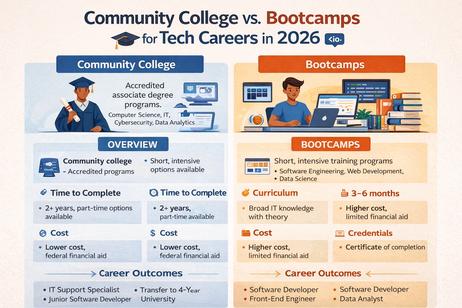
Students graduating high school in 2026 have more education pathways than ever before. Two of the most practical and career-focused options are community colleges and trade schools. Both promise faster entry into the workforce than traditional four-year universities, often at significantly lower cost.
However, choosing between them is not always straightforward. Each pathway offers different advantages in terms of career flexibility, job placement, earning potential, and long-term educational opportunities.
This article compares community college and trade school education in 2026, helping families and students determine which route may lead to stronger employment outcomes. While forward-looking discussions in education often highlight themes such as “The Future of Boarding Schools: Emerging Trends to Watch for 2030,” similar questions about workforce readiness and career preparation are shaping decisions in the community college and technical training sectors today.
Understanding Community Colleges
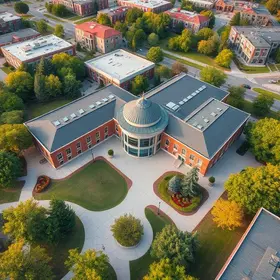
Community colleges are two-year public institutions that provide academic degrees, technical training, and pathways to four-year universities.
Students typically pursue:
Associate of Arts (AA) or Associate of Science (AS) degrees
Associate of Applied Science (AAS) career programs
Certificates in technical fields
Transfer programs to universities
According to the National Center for Education Statistics, community colleges enroll millions of students each year and play a major role in workforce development across the United States.
Key characteristics include: