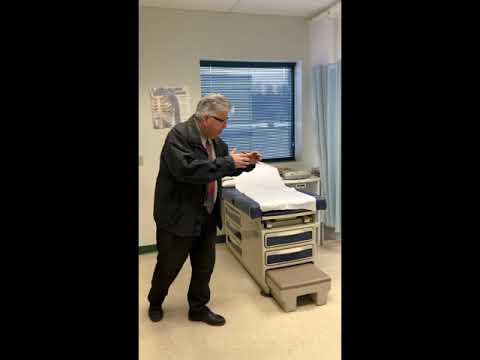
School Highlights
Fortis Institute-Scranton serves 297 students (100% of students are full-time).
The college's student-teacher ratio of 8:1 is lower than the state community college average of 15:1.
Minority enrollment is 50% of the student body (majority Hispanic and Black), which is more than the state average of 48%.
Quick Facts (2026)
- Enrollment: 297 students
- Private-state tuition: $27,160
- Acceptance Rate: 75%
- Student-teacher ratio: 8:1
- Minority enrollment: 50%
- Source: Integrated Postsecondary Education Data System (IPEDS)
Top Rankings
Fortis Institute-Scranton ranks among the top 20% of public schools in Pennsylvania for:
Category
Attribute
School Resources
School Overview
The teacher population of 35 teachers has stayed relatively flat over five years.
Fortis Institute-Scranton
(PA) Community College Avg.
Carnegie Classification
Special Focus Two-Year: Health Professions
Not applicable, not in Carnegie universe (not accredited or nondegree-granting)
Institution Level
At least 2 but less than 4 years
At least 2 but less than 4 years
Institution Control
Private for-profit
Private not-for-profit
Total Faculty
35 staff
59 staff
Student Body
The student population of Fortis Institute-Scranton has declined by 14% over five years.
The student-teacher ratio of 8:1 has decreased from 10:1 over five years.
The Fortis Institute-Scranton diversity score of 0.68 is equal to the state average of 0.68. The school's diversity has grown by 7% over five years.
Total Enrollment
297 students
461 students
Student-Teacher Ratio
8:1
15:1
# Full-Time Students
297 students
325 students
# Part-Time Students
32 students
136 students
# Enrollment Undergraduate
297 students
298 students
# Full-Time Undergraduate Students
297 students
326 students
# Full-Time Graduate Students
n/a
10 students
# Part-Time Undergraduate Students
32 students
151 students
# Part-Time Graduate Students
n/a
12 students
Total Dormitory Capacity
n/a
330 students
% Asian
4%
5%
% Hispanic
19%
11%
% Black
17%
15%
% White
50%
52%
% Hawaiian
5%
3%
% Two or more races
4%
3%
% Non Resident races
n/a
1%
% Unknown races
1%
10%
Diversity Score
0.68
0.68
College Completion Rate (Students who graduate in less than 4 years)
0.4314%
60%
College Completion Rate (Students who graduate in 4 years or more than 4 years)
n/a
36%
Average Graduate Earnings (10 Years)
$21,800
$34,300
Tuition and Acceptance Rate
The private state tuition of $27,160 is more than the state average of $17,231. The private state tuition has stayed relatively flat over four years.
Private State Tuition Fees
$27,160
$17,231
% Students Receiving Some Financial Aid
100%
88%
Median Debt for Graduates
$14,916
$13,000
Median Debt for Dropouts
$6,111
$6,260
Acceptance Rate
75%
78%
SAT Reading
n/a
460
SAT Math
n/a
470
SAT Writing
n/a
435
ACT Composite
n/a
20
ACT English
n/a
20
ACT Math
n/a
21
ACT Writing
n/a
7
Source: 2024 (or latest year available) Integrated Postsecondary Education Data System (IPEDS) , School Administrators
School Notes
- School Mascot: Wild Boar
- Sample of notable school alumni/alumnae:
- John Smith - Nobel Prize in Medicine - 2005 -
- Jane Doe - Olympic Gold Medalist - 2010 -
Frequently Asked Questions
How much does Fortis Institute-Scranton cost?
Fortis Institute-Scranton's private state tuition is approximately $27,160.
What schools are Fortis Institute-Scranton often compared to?
Fortis Institute-Scrantonis often viewed alongside schools like Johnson College, Lackawanna College by visitors of our site.
What is the acceptance rate of Fortis Institute-Scranton?
The acceptance rate of Fortis Institute-Scranton is 75%, which is lower than the state average of 78%.
Who are famous alumni from Fortis Institute-Scranton?
Fortis Institute-Scranton famous alumni include: John Smith - Nobel Prize in Medicine - 2005 and Jane Doe - Olympic Gold Medalist - 2010.
What is Fortis Institute-Scranton's ranking?
Fortis Institute-Scranton ranks among the top 20% of community college in Pennsylvania for: Percent of students receiving financial aid.
Recent Articles

Test Article, Image and Content
Test Test Test Test Test Test Test Test Test Test Test Test Test Test Test Test Test Test Test Test Test Test Test Test Test Test Test Test Test Test Test Test Test Test Test Test Test Test Test Test Test Test Test Test Test Test Test Test Test Test Test Test Test Test Test Test Test Test Test Test Test Test Test Test Test Test Test Test Test Test Test Test Test Test Test Test Test Test Test Test Test Test Test Test Test Test Test Test Test Test Test Test Test Test Test Test Test Test Test Test Test Test Test Test Test Test Test Test Test Test Test Test Test Test Test Test Test Test Test Test Test Test Test Test Test Test Test Test Test Test Test Test Test Test Test Test Test Test Test Test Test Test Test Test Test Test Test Test Test Test Test Test Test Test Test Test Test Test Test Test Test Test Test Test Test Test Test Test Test Test Test Test Test Test Test Test Test Test Test Test Test Test Test Test

Faith Formation Integrated Across Subject Areas
Explore faith formation integrated across subject areas and its impact on curriculum, student outcomes, and community colleges.

Parish-Based Governance Models in Catholic Schools
Explore parish-based governance models in Catholic schools and their impact on leadership, funding, and community colleges.