Grants & Scholarships

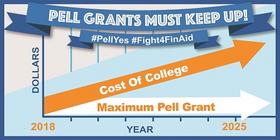
There's nothing better than free money, and these articles can help you get grants and scholarships for your community college education. Acquire information on Pell grants and why you should take advantage of them, learn how you can earn money through community college writing and get the latest news on scholarships and funding.

View the most popular articles in Grants & Scholarships:

Community College Scholarships with January Deadlines 2025–26

Updated
|
Community College Scholarships with January Deadlines 2025–26
Explore community college scholarships with January deadlines for 2025–26, including eligibility tips, award amounts, and planning strategies.

Community College Scholarships with January Deadlines: 2025–26 List

January is one of the most important months on the financial aid calendar for community college students. While many learners associate scholarship season with spring, a significant number of high-value awards close in January. Missing these deadlines can mean losing access to thousands of dollars in grant aid that does not need to be repaid.

This guide highlights major community college scholarships with January deadlines for the 2025–26 academic year, explains who should apply, and offers practical strategies for staying competitive. Parents, students, and counselors will find actionable insights to help maximize funding opportunities early in the year.

Why January Matters for Community College Scholarships

January deadlines tend to be associated with national and foundation-funded scholarships that require longer review periods. These awards often support high-achieving students, transfer-bound learners, and those with financial need or leadership experience.

For community college students, January is especially critical because:

  • Many transfer scholarships require early selection cycles.

  • Academic honor societies finalize nominee lists during winter term.

  • Scholarship committees want fall semester grades included.

  • FAFSA completion often aligns with January planning timelines.

Students who prepare applications during the fall term are best positioned to compete for these limited and often generous awards.

Major Community College Scholarships with January Deadlines (2025–26)

Below is

. . .read more

Financial Aid for Community College: What Private-School Families Need to Know

Updated
|
Financial Aid for Community College: What Private-School Families Need to Know
A guide for private-school families navigating financial aid for community college—what to expect, how it works, and key strategies in 2025.

Financial Aid for Community College: What Private-School Families Need to Know

For families coming from a private-school background, entering the world of community-college financial aid can feel like stepping into unfamiliar territory. This article, aimed at private-school parents, students and educators, explains how financial aid for community college works in 2025, what makes it different from private-school tuition assistance, and what you should plan for.

1. Why this matters for private-school families

Many private-school families assume that their financial-aid experience at the K–12 level mirrors what happens when their student goes to a two-year institution. But community colleges operate under different metrics, funding streams and expectations. Recognizing those differences is crucial if you’re considering a two-year college for your student.

Key distinctions

  • Private K-12 schools award tuition assistance based on cost and demonstrated need using proprietary formulas.

  • Community colleges rely heavily on federal and state financial-aid programs such as the Federal Pell Grant, which are need-based and standardized.

  • If you’ve paid high private-school tuition for one or more children, you may worry: will that reduce your ability to get aid when your child enrolls at a community college? Short answer: yes, it can affect your calculations, but often in less obvious ways (see Section 4).

2. How financial aid at a community college works in 2025

. . .read more

Scholarships for Community College Students 2025

Updated
|
Scholarships for Community College Students 2025
Explore updated scholarship programs, tuition data, and expert strategies for community college students in 2025.

Scholarships for Community College Students
As more students turn to two-year institutions for affordable and flexible higher education, understanding the landscape of scholarships for community college students in 2025 is critical. This article, refreshed with current tuition figures, policy trends and scholarship opportunities, is designed to help students, parents and educators navigate funding at community colleges nationwide.

1. Why Scholarships Matter More Than Ever

Community colleges remain among the most accessible higher-education options in the U.S., but even modest costs can pose barriers. According to recent data from Community College Review, the average tuition for public community colleges in-state is approximately $5,099 per year, and for out-of-state students around $8,784 for 2025.
Meanwhile, a report from American Progress Association highlights that tuition and fees often cover only about 20 percent of the total cost of attendance at two-year institutions, leaving students to make up the rest through work or loans. Center for American Progress
In this context, scholarships are vital. They directly reduce the cost burden and make it easier for students to focus on college success rather than financial stress. As one financial-aid adviser recently shared: “For many community college students, a scholarship can mean the difference between part-time and full-time study.”

2. Current Tuition and Funding Context

To assess scholarship needs accurately, it helps to track current cost trends and funding landscapes:

  • Nationally, tuition for public two-year colleges rose modestly — a 2.5 percent increase in

. . .read more

Scholarships for Community College Students: A Parent’s Guide

Updated
|
Scholarships for Community College Students: A Parent’s Guide
Learn how community college students secure scholarships in 2025 — tips, examples, pitfalls, and strategies parents should know.

Introduction

For many families, community college (or two-year college) is an affordable, accessible route to higher education. But despite lower tuition, costs remain — from books and supplies to living expenses. Scholarships can bridge that gap. This article provides a comprehensive, up-to-date guide for parents and students navigating scholarships for community college students in 2025, with concrete examples, strategies, and warnings.

Why Scholarships Matter at Community Colleges

  • Unlike federal loans or Pell Grants, scholarships do not need to be repaid.

  • They help reduce reliance on student loans or part-time work.

  • For students planning to transfer to a four-year university, a scholarship in the two-year phase can free up financial resources later.

  • They play a crucial role in retention: students with scholarship support are likely to complete their programs.

Parents often ask: “Should we bother applying to scholarships for community college? Isn’t it mostly for four-year schools?” The answer is yes — there are meaningful opportunities specifically targeting community college students, and leveraging them is wise.

Types of Scholarships Available

Scholarships for community college students generally fall into these categories:

Type Who Offers It Typical Criteria Examples / Notes
Institutional / college-based Community college’s foundation or scholarship office Enrolled students (often minimum credits), GPA, essays Many colleges bundle all internal scholarships under one application. For example, North Hennepin Community College offers over 120 scholarships ranging from
. . .read more

An In-Depth Guide to Financing Options for Community College

Updated
|
An In-Depth Guide to Financing Options for Community College
Attending college is expensive but there are options for financing beyond just student loans. Keep reading to learn more.

College tuition is not cheap, and the cost seems to rise with each passing year. According to College Board, the average yearly rate for in-state tuition at a public college is over $25,000. At a private college, tuition can cost upwards of $50,000 per year.

If you are determined to go to college but you don’t have an extra $25k to $50k per year to spend, consider community college as an alternative. The average cost for community college tuition is under $5,000 for in-state students and under $10,000 for out of state students. Even if you complete your general education requirements and then transfer to a four-year school, you’ll still be saving a lot of money.

While attending community college is much more affordable than paying for a four-year university, it is still a significant expense. Keep reading to learn about your options for financing community college, including common myths about scholarships, the different grants, and tips for reducing your costs while in school.

This video offers suggestions on how to pay for college.

Debunking Common Myths About College Scholarships

The word “scholarship” is a dangling carrot for high school students preparing for college. While most colleges and universities offer them, they often seem like they are just out of reach. Though you may not realize it, many community colleges offer scholarships as well and there are always private scholarships to consider.

Unfortunately, many students

. . .read more

Recent Articles

Test Article, Image and Content
Test Test Test Test Test Test Test Test Test Test Test Test Test Test Test Test Test Test Test Test Test Test Test Test Test Test Test Test Test Test Test Test Test Test Test Test Test Test Test Test Test Test Test Test Test Test Test Test Test Test Test Test Test Test Test Test Test Test Test Test Test Test Test Test Test Test Test Test Test Test Test Test Test Test Test Test Test Test Test Test Test Test Test Test Test Test Test Test Test Test Test Test Test Test Test Test Test Test Test Test Test Test Test Test Test Test Test Test Test Test Test Test Test Test Test Test Test Test Test Test Test Test Test Test Test Test Test Test Test Test Test Test Test Test Test Test Test Test Test Test Test Test Test Test Test Test Test Test Test Test Test Test Test Test Test Test Test Test Test Test Test Test Test Test Test Test Test Test Test Test Test Test Test Test Test Test Test Test Test Test Test Test Test Test
Faith Formation Integrated Across Subject Areas
Explore faith formation integrated across subject areas and its impact on curriculum, student outcomes, and community colleges.
Parish-Based Governance Models in Catholic Schools
Explore parish-based governance models in Catholic schools and their impact on leadership, funding, and community colleges.