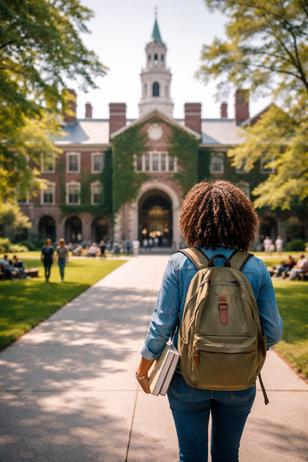
From Community College to Ivy League: Can It Really Happen?
For decades, the path to an Ivy League education has been associated with elite preparatory schools, legacy admissions, and near-perfect academic records. Yet in 2026, a different narrative is gaining visibility: students beginning at community colleges and transferring to institutions such as Cornell or Columbia.
So, From Community College to Ivy League: Can It Really Happen? The short answer is yes. The longer answer requires nuance, preparation, and strategy.
Community colleges enroll nearly 40 percent of all undergraduates in the United States, according to data from the National Student Clearinghouse Research Center. As tuition costs continue to rise and families prioritize financial flexibility, more students are beginning locally and aiming high.
This article examines how realistic the journey is, what Ivy League schools actually look for in transfer applicants, and what students and families should understand in 2026.
Understanding the Transfer Landscape
Transfer admissions differ significantly from first-year admissions.
Ivy League institutions do accept transfer students, but the numbers are limited and highly competitive. Some schools, such as Princeton, have expanded transfer pathways in recent years to increase socioeconomic diversity. Others, including Harvard and Yale, admit only a small cohort annually.
Among the Ivies, Cornell University consistently enrolls the largest number of transfer students. Its official transfer admissions page outlines specific articulation pathways and college-level expectations, including GPA benchmarks and course prerequisites. Families can review these requirements directly