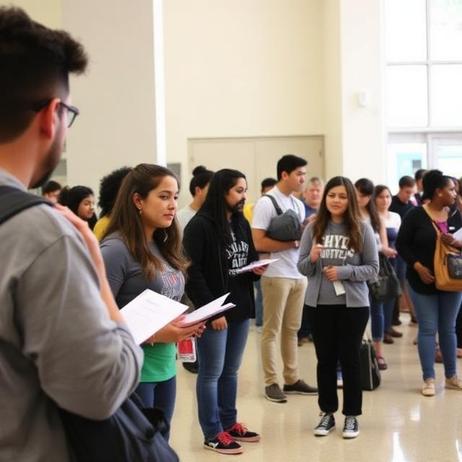
Starting community college is a major milestone, offering flexibility, affordability, and a direct pathway to career advancement or university transfer. In 2026, students face new opportunities and challenges, including expanded online learning options, evolving workforce demands, and increased emphasis on student support services.
For first-time students, success often depends on preparation, engagement, and informed decision-making. This guide outlines the top 10 tips for new community college students in 2026, helping you make the most of your experience from day one.
1. Start With a Clear Academic Plan
Before your first semester begins, meet with an academic advisor to map out your coursework. Whether your goal is to transfer to a four-year institution or enter the workforce quickly, having a structured plan prevents wasted time and credits.
Many colleges now offer guided pathways, which outline the exact sequence of courses needed for specific degrees. According to theNational Center for Education Statistics, students who follow structured academic plans are more likely to complete their programs on time.
If you are still undecided, explore general education tracks while taking introductory courses in potential fields of interest.
2. Take Advantage of Orientation Programs
Orientation is more than a formality. It introduces you to campus resources, faculty expectations, and student services that can shape your success.
In 2026, many colleges offer hybrid orientations that combine online modules with in-person sessions. These programs often cover:
- Course registration systems
- Financial aid processes
- Campus technology platforms
- Student support services
Students who actively participate in orientation are better prepared academically and socially.
3. Build Strong Time Management Habits Early
Balancing coursework, work, and personal responsibilities is one of the biggest challenges for community college students.
Effective strategies include:
- Using digital planners or calendar apps
- Blocking dedicated study time each week
- Prioritizing assignments by deadline and difficulty
Online and hybrid classes, which continue to grow in 2026, require even greater discipline. If you are new to this format, consider reading how to succeed in online college classes for practical strategies.
4. Understand Financial Aid and Budgeting
Community colleges remain one of the most affordable higher education options, but costs can still add up.
Be proactive about financial planning:
- Complete the FAFSA early
- Explore scholarships and grants
- Monitor tuition deadlines
- Budget for books, transportation, and living expenses
TheFederal Student Aid website provides up-to-date guidance on grants, loans, and repayment options.
In 2026, many colleges also offer emergency micro-grants for students facing unexpected financial hardships, so inquire about these programs if needed.
5. Use Campus Resources From Day One
Community colleges offer a wide range of support services, many of which are underutilized.
Key resources include:
- Tutoring centers
- Writing labs
- Career services
- Mental health counseling
- Academic advising
Students who regularly use these services tend to perform better academically and persist through challenges. If you are unsure where to start, visit your college’s student success center during your first week.
6. Get to Know Your Professors
Building relationships with instructors can significantly enhance your academic experience.
Make an effort to:
- Attend office hours
- Ask questions during or after class
- Seek feedback on assignments
Faculty members can provide mentorship, recommend internships, and write letters of recommendation for transfer or employment opportunities.
Strong connections also make it easier to stay engaged and motivated throughout the semester.
7. Stay Focused on Transfer or Career Goals
One of the biggest advantages of community college is flexibility, but that flexibility requires direction.
If you plan to transfer, research articulation agreements between your college and four-year institutions. These agreements ensure your credits transfer smoothly.
You can explore strategies in how to transfer from community college to a four-year university.
If your goal is immediate employment, work with career services to identify certifications, internships, or workforce training programs aligned with local job markets.
TheU.S. Bureau of Labor Statistics offers valuable insights into high-demand careers and salary expectations.
8. Engage in Campus Life
Community colleges may not have the same residential experience as four-year universities, but student engagement is still critical.
Consider:
- Joining clubs or student organizations
- Participating in campus events
- Volunteering in your community
- Attending workshops or networking events
These activities help you build connections, develop soft skills, and create a sense of belonging, which is essential for long-term success.
9. Embrace Technology and Digital Learning Tools
Technology plays a central role in community college education in 2026. From learning management systems to AI-powered tutoring tools, students must be comfortable navigating digital platforms.
Common tools include:
- Online course portals
- Virtual collaboration platforms
- Digital textbooks
- AI study assistants
Developing digital literacy is not only important for academic success but also for future career readiness. Many employers now expect proficiency in online communication and project management tools.
10. Prioritize Your Well-Being
Academic success is closely tied to physical and mental health. Community college students often juggle multiple responsibilities, making self-care essential.
Key practices include:
- Maintaining a consistent sleep schedule
- Eating balanced meals
- Managing stress through exercise or mindfulness
- Seeking counseling when needed
Many colleges now offer expanded mental health services, including telehealth options. According to theAmerican College Health Association, student well-being directly impacts retention and academic performance.
Quick Summary Table
| Tip | Key Focus | Why It Matters |
|---|---|---|
| Academic Plan | Course structure | Prevents wasted time and credits |
| Orientation | Campus familiarity | Builds confidence early |
| Time Management | Scheduling | Balances responsibilities |
| Financial Planning | Budgeting | Reduces stress and debt |
| Campus Resources | Support services | Improves academic outcomes |
| Faculty Connections | Networking | Opens opportunities |
| Goal Setting | Transfer/career | Keeps you on track |
| Engagement | Campus life | Builds community |
| Technology Skills | Digital tools | Enhances learning |
| Well-Being | Health | Supports long-term success |
Frequently Asked Questions
What is the biggest challenge for new community college students?
Time management is often the most significant challenge, especially for students balancing work and family responsibilities.
Is community college easier than a four-year university?
Not necessarily. While class sizes may be smaller, academic expectations remain rigorous, and self-discipline is critical.
How can I make the most of my first semester?
Focus on building routines, using campus resources, and staying engaged both academically and socially.
Do community college credits transfer easily?
Credits can transfer smoothly if you follow articulation agreements and work closely with academic advisors.
Conclusion
The top 10 tips for new community college students in 2026 reflect a changing educational landscape that emphasizes flexibility, technology, and student support. Success is no longer just about attending classes; it requires intentional planning, active engagement, and effective use of available resources.
By starting with a clear plan, staying organized, and taking advantage of both academic and personal support systems, students can build a strong foundation for future success, whether that means transferring to a four-year university or entering the workforce with confidence.
Community college remains one of the most accessible and practical pathways in higher education. With the right approach, your first year can set the tone for long-term achievement.